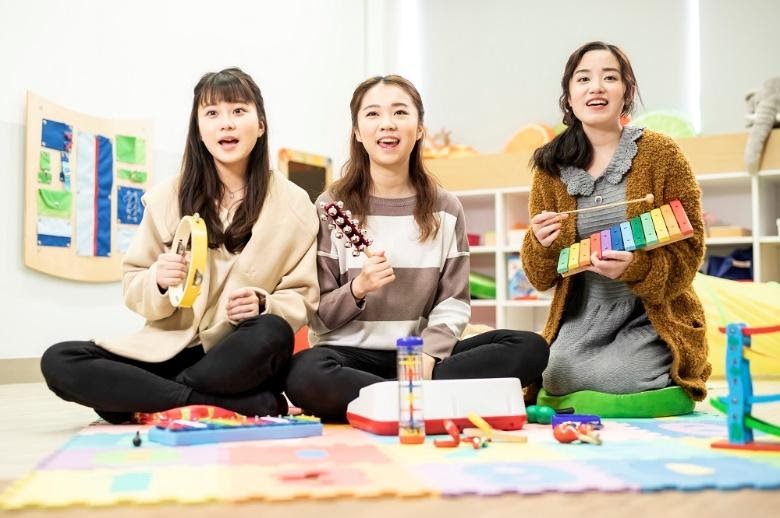
According to the Organisation for Economic Co-operation and Development (OECD), early childhood education worldwide is moving toward an integrated service model that combines education and care. This approach merges curriculum learning, caregiving, family engagement, and interdisciplinary support to create a holistic developmental environment for young children. The OECD’s Early Childhood Education and Care (ECEC) programme emphasizes that high-quality early education should integrate curriculum design, professional teaching staff, and supportive learning environments—highlighting the vital role of educators. This direction aligns closely with Hong Kong’s early childhood education policy development.
Since the 2017/18 school year, the Hong Kong government has implemented the Kindergarten Education Scheme, providing subsidies to non-profit kindergartens to enhance education quality. This includes improvements in curriculum planning, teacher training, teacher-child ratios, and school administration. The Education Bureau also published the 'Kindergarten Administration Guide' to support effective implementation.
To address diverse learning needs—such as those of non-Chinese speaking children and children with special educational needs—the government offers targeted support services, including language assistance, inclusive education, and on-site rehabilitation services. More details are available on the NCS Student Support page and the Integrated Education portal.
These policies have increased the demand for professionally qualified early childhood educators. According to Education Bureau requirements, kindergartens must employ teachers holding a Certificate in Early Childhood Education [C(ECE)].
In support of these developments, HKCT Institutes of Higher Education (CTIHE) actively offers early childhood education programmes. These programes are designed not only for current practitioners but also for individuals passionate about joining the profession, contributing to the cultivation of future early childhood education talent.
Rationale of Kindergarten Education – A Child-Centred Approach
The Kindergarten Education Curriculum Guide (2017) outlines a clear rationale for early childhood education, emphasizing a child-centred approach. It recognizes each child as a unique individual with the potential to develop, and advocates for respecting children's interests, abilities, and developmental needs.
The curriculum is designed to promote holistic development in five key areas: moral, cognitive and language, physical, affective and social, and aesthetic development. These developmental objectives are implemented through six learning areas, providing children with broad and balanced learning experiences that cater to their overall growth.
A core feature of the curriculum is learning through play, which encourages children to explore, express creativity, and build confidence in a natural and enjoyable context. Teachers are expected to create a supportive and engaging learning environment that stimulates curiosity and motivation.Additionally, the Guide highlights the importance of home-school cooperation, noting that parental involvement strengthens learning outcomes and supports children's development. This partnership between families and schools is essential for fostering a nurturing and effective educational experience.
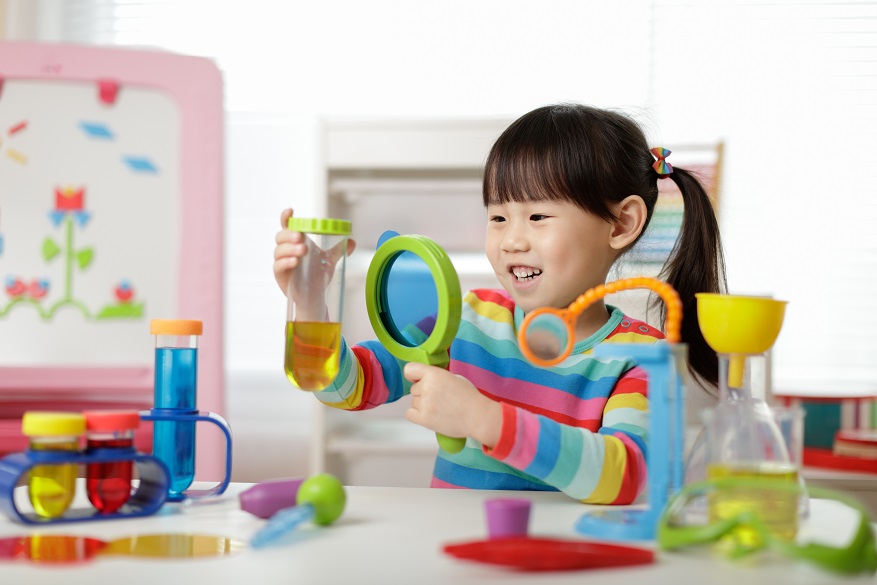
The Social Impact of Early Childhood Education
High-quality early childhood education plays a vital role in enhancing children's cognitive, emotional, and social development. It also contributes to reducing social disparities, promoting inclusion, and creating opportunities for upward social mobility. According to research by UNICEF and UNESCO, access to quality education is especially critical for improving the life chances of disadvantaged children and fostering a more equitable and inclusive society.
Moreover, strong early education helps children build a positive self-image and resilience, enabling them to better cope with stress and challenges throughout their growth. This is particularly relevant in today's society, where emotional well-being and psychological resilience are increasingly recognized as essential for long-term development.
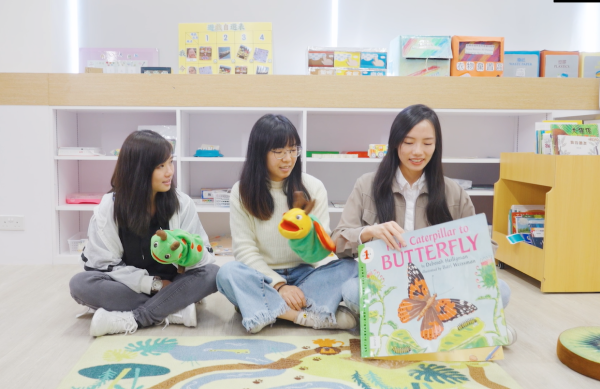
Inclusive Education: Fostering Holistic Development and Social Integration in Early Childhood
Inclusive education is a key principle advocated by UNESCO, emphasizing that all children—including those with Special Educational Needs (SEN)—should learn and grow together in an environment that respects diversity and promotes equity. This approach aligns with the Kindergarten Education Curriculum Guide (2017) in Hong Kong, which emphasizes child-centred learning and catering to individual differences.
In Hong Kong, inclusive education has been extended to the early childhood level through a dual-track system. Children with more severe or multiple needs may attend special child care centres, while others can receive inclusive education in mainstream kindergartens. The Education Bureau actively promotes this policy through its SENSE website, offering a range of support services such as the On-site Pre-school Rehabilitation Services, professional development for teachers, and parent education resources.
The core goal of inclusive education in early childhood is to enable children with SEN to learn in mainstream settings, fostering values of respect, empathy, and cooperation from a young age. The Education Bureau also implements the Whole School Approach, encouraging collaboration among schools, families, and interdisciplinary professionals to build an inclusive culture.
These measures help kindergartens create supportive environments that address individual needs, allowing every child to thrive and reach their full potential.